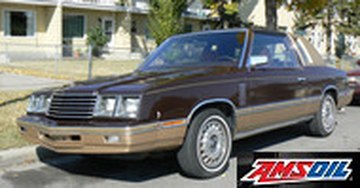
Engine Oil Maintenance for the 1983 Dodge 400 2.6L
Maintaining proper lubrication is one of the most critical aspects of preserving the longevity and operational integrity of your vehicle's engine. For owners of a 1983 Dodge 400 equipped with the 2.6L engine, understanding the specific components required for oil service helps ensure that the lubrication system functions as intended.
What oil filter is listed for my 1983 Dodge 400 2.6L?
The WIX Oil Filter part number 51381-EA is listed for this vehicle.
Understanding the Role of the Oil Filter
The oil filter serves as a primary defense mechanism within the engine's lubrication system. As engine oil circulates to lubricate moving parts, it inevitably picks up microscopic debris, combustion byproducts, and metallic particles resulting from normal mechanical operation. The filter is designed to capture these contaminants before they can recirculate through the engine.
A clean, functional filter ensures that the oil remains as free of particulates as possible. If a filter becomes restricted or reaches the end of its service life, it can impact the flow of oil throughout the engine block and cylinder head. Regularly replacing the filter in conjunction with your oil changes is a standard practice to maintain system cleanliness.
Engine Oil Viscosity Considerations
The viscosity of an engine oil refers to its resistance to flow. This characteristic is vital because it determines how easily the oil can move through the narrow passages and galleries of the engine, especially during cold starts or under varying operating temperatures. Proper viscosity ensures that a consistent film of oil is maintained between moving metal surfaces.
For this specific 1983 Dodge 400 2.6L application, the database allows for 10W-30 engine oil. Using an oil that meets the requirements of your engine helps maintain the correct balance between flowability and film strength. Always consult your owner's manual or manufacturer maintenance schedule to confirm the appropriate specifications for your specific vehicle conditions.
Monitoring Oil Levels Regularly
One of the simplest yet most effective maintenance tasks is checking the oil level frequently. Even in a well-maintained engine, minor consumption can occur over time. Checking the dipstick allows you to verify that the oil level remains within the safe operating range indicated by the manufacturer.
Low oil levels can lead to increased friction, overheating, and potential mechanical damage due to insufficient lubrication. If you notice a significant drop in oil levels between service intervals, it may be necessary to inspect the engine for leaks or consult a professional technician to determine the cause of the loss.
Identifying Potential Oil Leaks
Oil leaks can manifest in several ways, ranging from small damp spots on the engine block to active drips on your driveway. Common areas where leaks might occur include gaskets, seals, and the oil filter mounting area. A loose or improperly seated oil filter is a common source of external leaks.
When performing an oil change, it is helpful to inspect the surrounding components for signs of seepage. Addressing small leaks early can prevent larger issues, such as excessive oil loss or contamination of other engine components. If you observe fresh oil accumulating in areas where it should not be, a professional inspection is recommended.
The Importance of Following Maintenance Schedules
To keep your 1983 Dodge 400 running efficiently, it is essential to adhere to the maintenance intervals established by the manufacturer. While many owners follow general guidelines, the specific requirements for your vehicle are documented in the owner's manual.
Following these schedules ensures that oil and filters are replaced before they degrade or become overly saturated with contaminants. Consistent adherence to these intervals helps prevent the buildup of sludge and other deposits that can compromise engine health over time. If you do not have access to the original documentation, seeking out a manufacturer-approved maintenance schedule is the best course of action.
What transmission fluid is listed for my 1983 Dodge 400 2.6L?
The following fluids are listed for this vehicle:
- ATFPK-EA — Signature Series Multi-Vehicle Synthetic Automatic Transmission Fluid
- OTFQT-EA — OE Multi-Vehicle Synthetic Automatic Transmission Fluid
BUYING ENGINE OIL
When you are ready to purchase lubrication for your vehicle, focus on selecting products that meet the specific requirements listed for your engine. Ensure that any oil you select matches the 10W-30 viscosity allowed for this application. Check the packaging carefully to confirm it is appropriate for your engine type and follow all manufacturer guidelines regarding oil specifications and service intervals.